
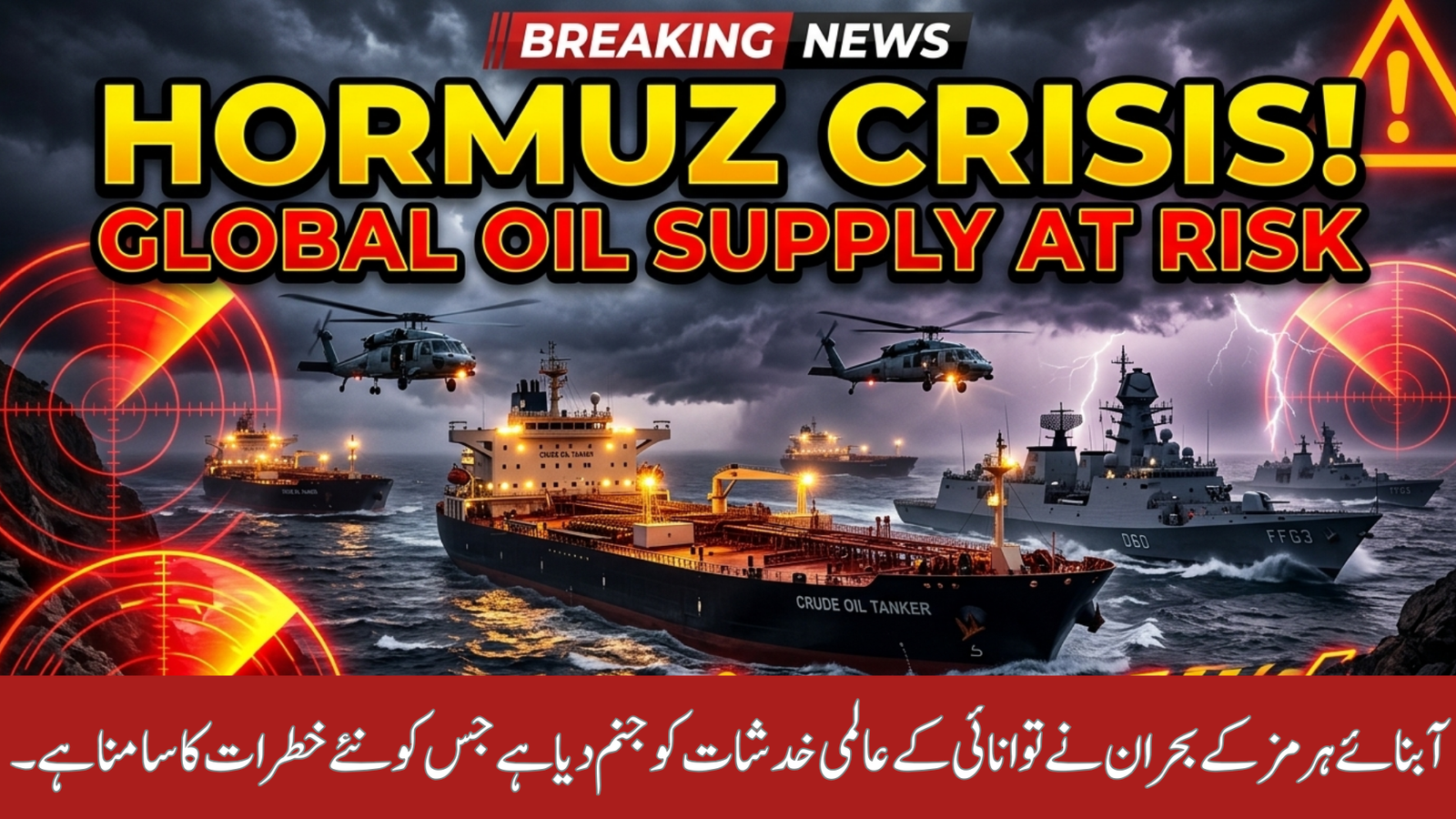
Strait of Hormuz Crisis Raises Global Energy Concerns as Shipping Risks Increase
Strait of Hormuz Crisis Raises Global Energy Concerns as new security threats emerge around one of the world’s most critical oil shipping routes. The strategic waterway connects the Persian Gulf with global markets and plays a vital role in transporting energy supplies to countries across Asia, Europe, and beyond.
Recent reports suggest that naval mines and increased military activity have raised fears about the safety of commercial ships transporting oil and liquefied natural gas. Experts warn that any disruption in this region could significantly affect global energy prices and international trade.
The Strait of Hormuz is considered one of the most important maritime chokepoints in the world, making it a critical route for global energy transportation.
Why the Strait of Hormuz Is Important
The Strait of Hormuz Crisis Raises Global Energy Concerns mainly because of the enormous volume of oil that passes through this narrow waterway every day.
Energy analysts estimate that nearly 20% of the world’s oil supply travels through the strait. Tankers carrying crude oil from Gulf countries pass through this route to reach major markets in Asia, Europe, and North America.
Countries that rely heavily on energy imports closely monitor developments in the region, as any disruption could cause immediate spikes in oil prices.
The waterway lies between Iran and Oman, making it a sensitive geopolitical area where regional tensions often impact global shipping.


The Business Standard

Reuters

Reuters
Rising Security Threats in the Region
The Strait of Hormuz Crisis Raises Global Energy Concerns as military activity in the region continues to increase. Reports indicate that naval mines may have been placed in nearby waters, creating risks for oil tankers and cargo vessels.
International shipping companies are now taking additional precautions while navigating through the area. Some vessels are changing routes or requesting naval escorts to ensure safe passage.
Several countries have also increased naval patrols in the region to protect commercial ships and maintain the flow of energy supplies.
Impact on Global Oil Prices
One of the biggest consequences of the Strait of Hormuz Crisis Raises Global Energy Concerns is the potential rise in global oil prices. Energy markets often react quickly to geopolitical tensions, especially when they involve key transportation routes.
If shipping through the strait is disrupted, oil supply shortages could occur in many parts of the world. This would likely lead to higher fuel prices, increased transportation costs, and broader economic impacts.
Countries that import large amounts of oil may face inflation pressures if the crisis continues.
Effects on International Trade
The crisis could also impact global trade beyond the energy sector. Many cargo ships transporting goods between Asia, Europe, and the Middle East pass through nearby waters.
Disruptions to shipping routes may delay deliveries and increase transportation costs for companies worldwide. These delays could affect industries such as manufacturing, food supply chains, and consumer goods.
Experts emphasize that maintaining safe maritime routes is essential for global economic stability.
International Response
Governments and international organizations are closely monitoring the situation. Diplomatic efforts are ongoing to reduce tensions and prevent further escalation in the region.
Naval forces from several countries are increasing patrols to ensure commercial ships can safely navigate through the strategic waterway.
Analysts believe that cooperation between nations will be crucial to maintaining stability in the region and protecting global energy supply chains.
Follow for Updates
Follow for daily scheme updates:
👉 WhatsApp Channel:
https://whatsapp.com/channel/0029Vb7MYua0gcfLWzto2T01
👉 Facebook Post/Page:
https://www.facebook.com/share/1Aaye4dKkC/
FAQs
What is the Strait of Hormuz?
The Strait of Hormuz is a narrow waterway connecting the Persian Gulf with the Gulf of Oman and is one of the most important oil shipping routes in the world.
Why is the Strait of Hormuz important for energy?
Nearly 20% of the world’s oil supply passes through the strait, making it a critical route for global energy transportation.
What is causing the current crisis?
Security threats, increased military activity, and reports of naval mines in the area have raised concerns about shipping safety.
How could the crisis affect oil prices?
If shipping is disrupted, global oil supply could decrease, causing fuel prices to rise worldwide.
Conclusion
The Strait of Hormuz Crisis Raises Global Energy Concerns as tensions and security threats continue to grow around this critical shipping route. Because a significant portion of the world’s oil supply travels through this narrow waterway, any disruption could have major economic consequences.
Governments and international organizations are working to ensure maritime safety and maintain stable energy supplies. However, the situation remains sensitive, and global markets are closely watching developments in the region.