
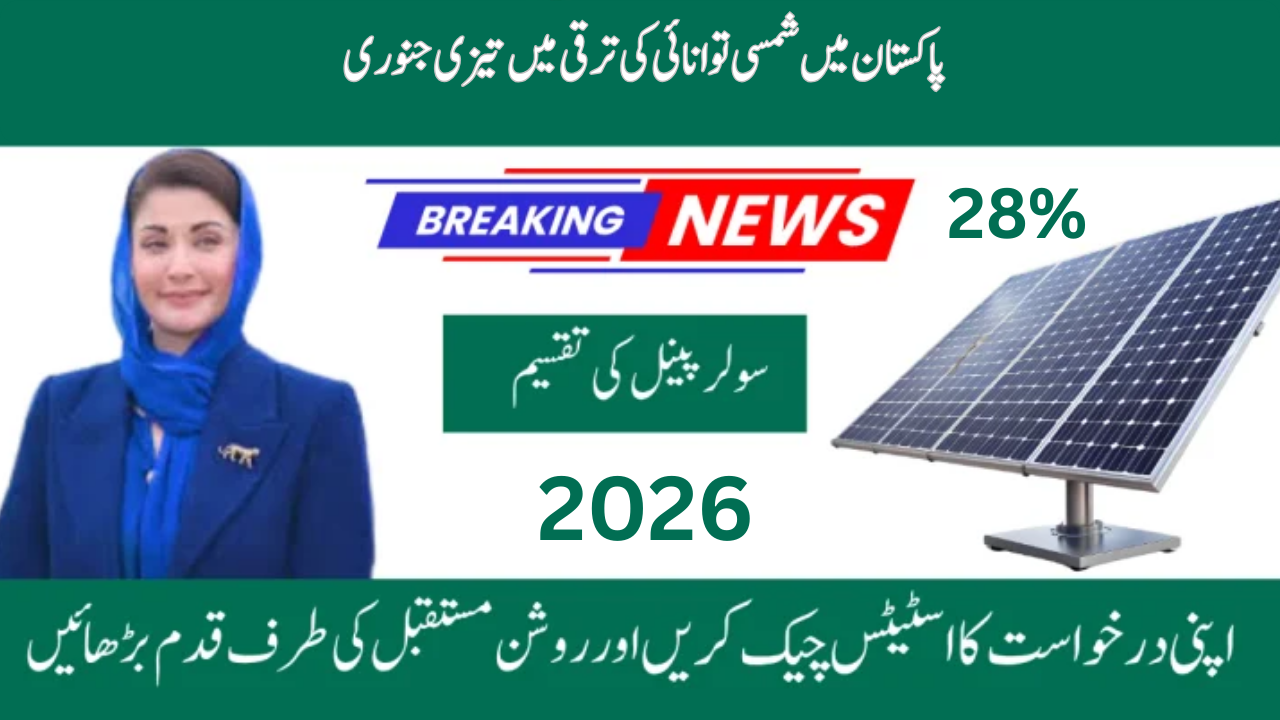
Solar Energy Growth Accelerates in Pakistan
Pakistan is experiencing a notable surge in solar energy adoption, with net metering installations increasing by 28% in January 2026, according to the latest data released by the Alternative Energy Development Board (AEDB). This sharp rise highlights the country’s accelerating shift toward renewable energy and greater energy self-sufficiency.
Rapid Growth of Net Metering in Pakistan
The growth reflects an increasing number of households and businesses installing solar systems to reduce rising electricity costs and address frequent power outages. Industry experts attribute this trend to simplified registration procedures, supportive government policies, and awareness campaigns promoting clean and sustainable energy solutions.
Key highlights of January 2026 include:
Net metering units increased by 28% within a single month
Major cities such as Karachi, Lahore, and Islamabad led new installations
Strong growth observed across residential, commercial, and industrial sectors
Benefits of Installing Solar Net Metering Systems
Solar net metering offers several advantages for consumers and the national energy system:
Lower Electricity Bills: Consumers can export surplus electricity to the national grid and receive credits
Environmental Benefits: Reduced carbon emissions and dependence on fossil fuels
Improved Energy Security: Backup power during outages and load-shedding
Government Support: Incentives, tax relief, and regulatory facilitation for eligible systems
Government of Pakistan – Official Portal
➡️ https://www.pakistan.gov.pk/
Guidelines for Homeowners and Businesses
To benefit from net metering, applicants should follow these key steps:
Ensure the property meets net metering technical and safety requirements
Register the solar system with AEDB or the relevant DISCO
Install approved and certified solar panels and inverters
Regularly monitor energy consumption and exported surplus units
Net Metering Growth Snapshot – January 2026
| Sector | Net Metering Units Installed | Growth Rate |
|---|---|---|
| Residential | 12,500 | 30% |
| Commercial | 5,400 | 25% |
| Industrial | 3,100 | 28% |
| Total | 21,000 | 28% |
FAQS
Q1 What is driving solar energy growth in Pakistan?
Rising electricity prices, frequent power outages, government incentives, and easier net metering registration are driving rapid solar adoption.
Q2 How much did net metering grow in January 2026?
Net metering installations increased by 28%, with around 21,000 new systems added in one month.
Q3 Which cities are leading solar installations?
Karachi, Lahore, and Islamabad are leading due to high energy demand and better access to solar services.
Q4 Who can install solar net metering systems?
Residential homeowners, commercial businesses, and industrial users can all apply if they meet technical requirements.
Q5 What are the main benefits of net metering?
Lower electricity bills, clean energy generation, backup power during outages, and long-term cost savings.
Q6 Does the government support solar net metering?
Yes, through incentives, tax relief, simplified regulations, and renewable energy policies.
Q7 How long does it take to recover solar installation costs?
Most users recover costs within 3–5 years, depending on system size and energy usage.
Q8 Is solar net metering available across Pakistan?
Yes, it is available nationwide through authorized DISCOs.
Outlook
The rapid expansion of solar net metering underscores Pakistan’s ongoing green energy transition. Experts believe that if this growth momentum continues, solar power could make a substantial contribution to the national electricity grid by the end of 2026, helping reduce energy deficits and strengthen long-term sustainability.