
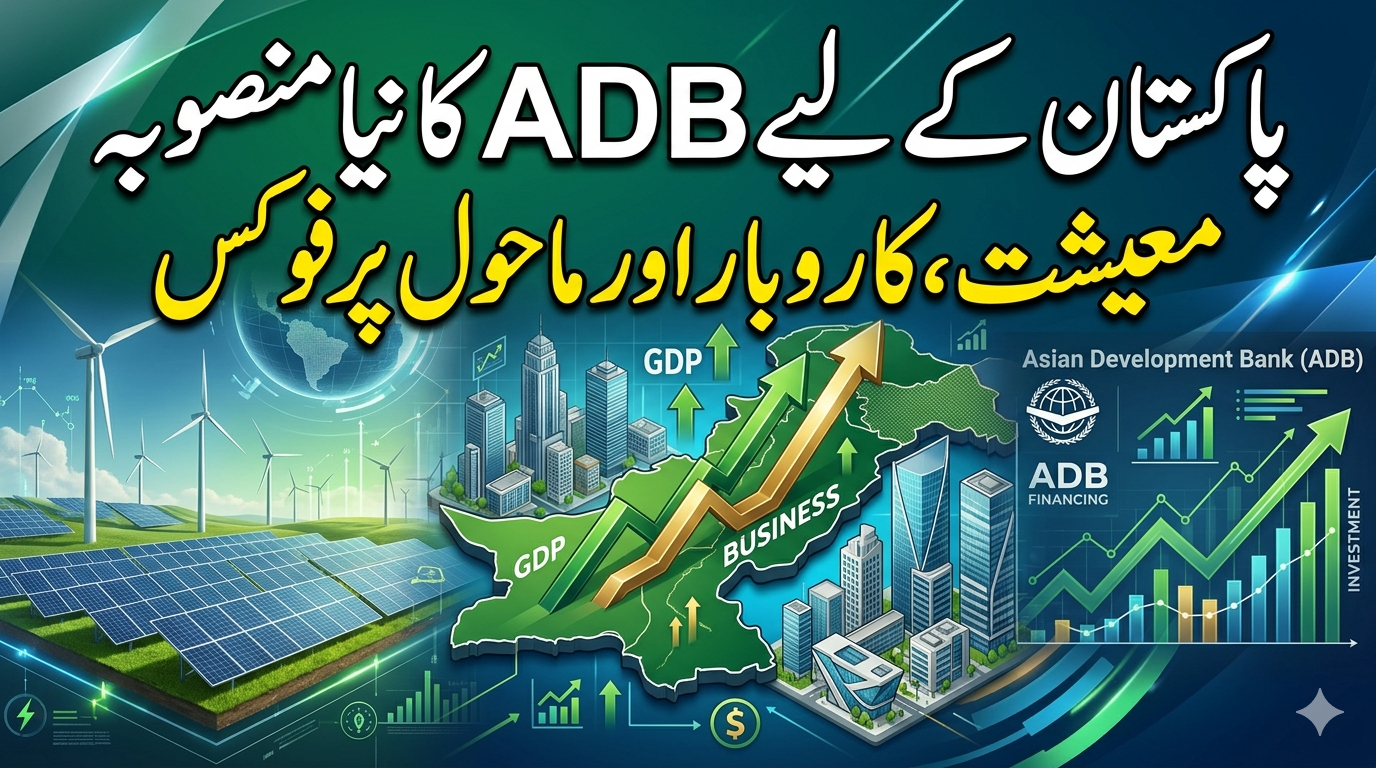
ADB 5-Year Strategy for Pakistan (2026–2030): Economic Growth, Private Sector & Climate Focus
Introduction
The ADB 5-Year Strategy for Pakistan (2026–2030) is a major development initiative designed to support Pakistan’s long-term economic stability and sustainable growth. The plan, introduced by the Asian Development Bank, aims to strengthen key sectors of the economy while addressing modern challenges such as climate change and private sector expansion.
This strategy is expected to play a crucial role in reshaping Pakistan’s economic future by providing financial support, policy guidance, and development expertise.
Also read
Pakistan Day Parade Cancelled 2026: Reasons, Economic Crisis & Full Details
Key Objectives of the ADB Strategy
1. Economic Growth & Stability
One of the primary goals of the ADB 5-Year Strategy for Pakistan is to boost economic growth. Pakistan has faced multiple economic challenges in recent years, including inflation, fiscal deficits, and external debt pressure.
ADB plans to:
Support macroeconomic reforms
Improve fiscal management
Enhance productivity across industries
These steps will help Pakistan achieve stable and sustainable economic growth over the next five years.
2. Private Sector Development
The strategy strongly emphasizes the role of the private sector in economic progress. ADB aims to:
Encourage local and foreign investment
Support small and medium enterprises (SMEs)
Improve ease of doing business
By strengthening the private sector, Pakistan can generate more jobs, increase exports, and reduce dependency on public sector spending.
3. Climate Change & Sustainability
Climate change is a major concern for Pakistan, as the country frequently faces floods, heatwaves, and environmental challenges.
ADB’s plan includes:
Investment in renewable energy projects
Climate-resilient infrastructure
Sustainable urban development
This will help Pakistan move toward a greener and more sustainable economy while reducing environmental risks.
Financial Support & Investment
The Asian Development Bank is expected to provide billions of dollars in funding under this strategy. These funds will be allocated to:
Infrastructure development
Energy sector improvements
Social welfare programs
Such financial assistance will reduce economic pressure and support long-term development goals.
Impact on Pakistan’s Economy
Positive Outcomes
Stronger economic foundation
Increased employment opportunities
Improved infrastructure
Better environmental management
Challenges
Implementation delays
Political and economic instability
Need for transparency and accountability
Proper planning and governance will be essential to fully benefit from this strategy.
Official Source
For more details, visit the official update:
👉 https://mettisglobal.news/ADB-new-five-year-strategy-prioritizes-inclusion-resilience-in-Pakistan-59125
Conclusion
The ADB 5-Year Strategy for Pakistan (2026–2030) is a comprehensive roadmap for economic growth, private sector development, and climate sustainability. It reflects a long-term vision to stabilize Pakistan’s economy and prepare it for future challenges.
If implemented effectively, this strategy can significantly improve living standards, create job opportunities, and strengthen Pakistan’s global economic position.
Follow for Daily Updates
Stay updated with the latest petrol prices, government schemes, and breaking news.
Facebook Page
https://www.facebook.com/share/17zB3qoEKA/WhatsApp Channel
https://whatsapp.com/channel/0029Vb7MYua0gcfLWzto2T01
FAQs
Q1: What is the ADB 5-Year Strategy for Pakistan?
It is a development plan (2026–2030) by the Asian Development Bank to support Pakistan’s economy.
Q2: What are the main focus areas?
Economic growth, private sector development, and climate sustainability.
Q3: How will Pakistan benefit from this strategy?
Through financial support, infrastructure development, and job creation.
Q4: Will ADB provide funding?
Yes, billions of dollars are expected for various development projects.
Q5: What challenges can affect this plan?
Political instability, poor implementation, and lack of transparency.