
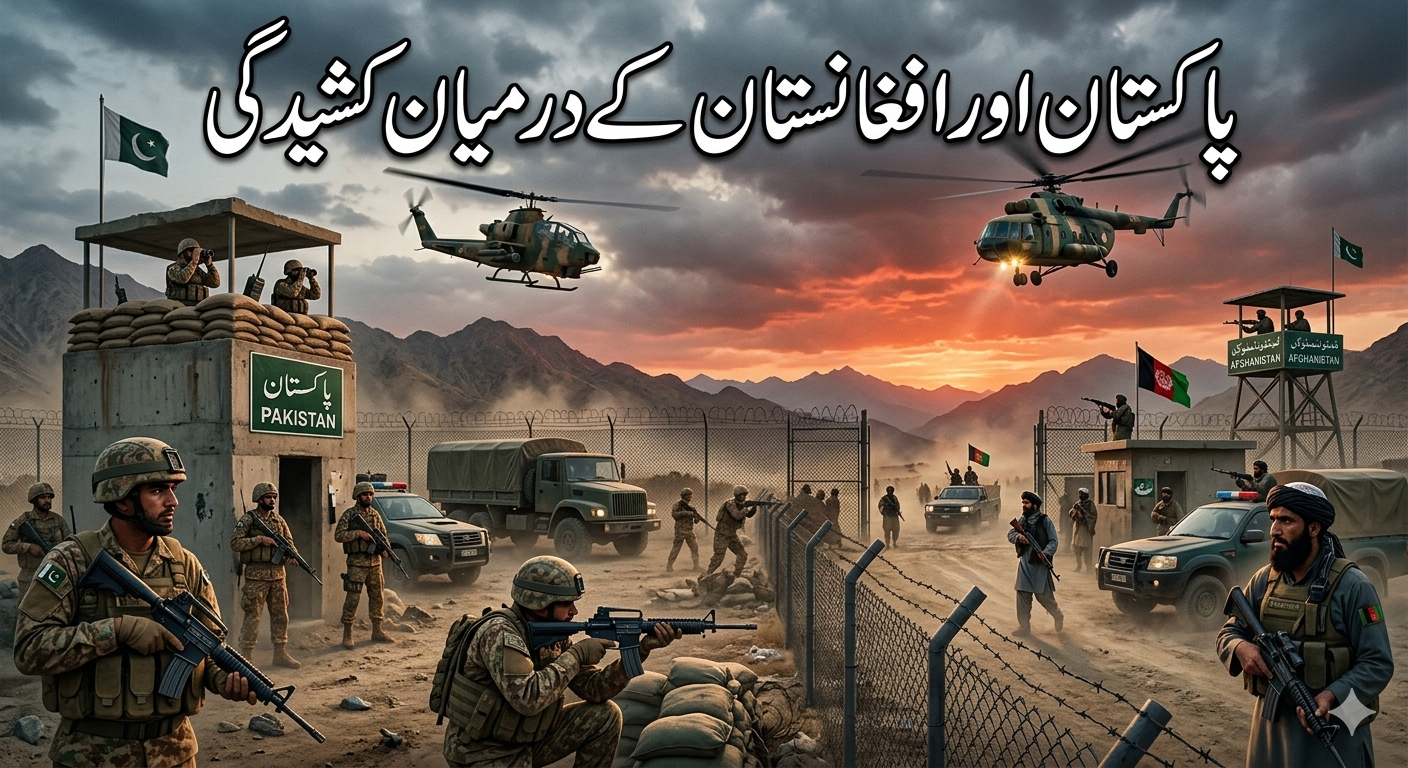
Pakistan–Afghanistan Tension: Situation Remains Critical
The Pakistan Afghanistan Tension has intensified in recent days, raising serious concerns about regional stability. While reports circulate regarding recent airstrikes, the situation remains highly volatile.
The situation along the border remains highly volatile, with both sides maintaining heightened security and military readiness.
Also read
https://ehsaasbispinfo.com/rahim-yar-khan-t…sp-roof-collapse/
Conflicting Airstrike Claims
According to various unconfirmed sources, an alleged airstrike near the border area led to significant casualties. Some reports claim that civilians were among the victims, which has triggered outrage in certain circles.
However, officials from Government of Pakistan have categorically denied conducting any such large-scale attack. They stated that Pakistan’s military operations are strictly targeted and aimed only at terrorist elements that threaten national security.
This contradiction in narratives has made it difficult to verify the actual ground reality, especially in remote border regions where independent reporting is limited.
Border Situation: High Alert
The border between Pakistan and Afghanistan has historically been sensitive, especially along the Durand Line. In the current scenario, security forces on both sides are on high alert.
Recent developments include:
Increased troop deployment
Stricter border monitoring
Temporary closures at key crossing points
Reports of cross-border firing in certain areas
These actions indicate that both countries are preparing for potential escalation while also trying to avoid a full-scale conflict.
Root Causes of the Tension
The ongoing tension is not an isolated incident but part of a broader pattern of disputes. Key factors include:
1. Militancy Concerns
Pakistan has repeatedly expressed concerns over militant groups allegedly operating from Afghan territory. These groups are accused of carrying out attacks inside Pakistan.
2. Border Disputes
Afghanistan has historically not fully recognized the Durand Line as an official international border, which continues to fuel disagreements.
3. Political Instability
Since the rise of the Taliban in Afghanistan, diplomatic relations between the two countries have experienced ups and downs, affecting border management and security cooperation.
International Reaction
The rising tensions have drawn attention from global organizations and neighboring countries. The United Nations has urged both sides to exercise restraint and resolve disputes through dialogue.
Regional powers are also closely monitoring the situation, as any escalation could impact trade routes, refugee movements, and overall peace in South Asia.
Impact on Civilians
The most significant impact of this conflict is being felt by civilians living near the border. Many families have reportedly been displaced due to fear of violence.
Key concerns include:
Loss of livelihoods
Limited access to basic services
Increased humanitarian risks
Disruption of cross-border trade
Human rights organizations are calling for immediate measures to protect civilians and ensure transparency in reporting.
Way Forward: Need for Dialogue
Experts believe that military escalation is not a sustainable solution. Instead, both Pakistan and Afghanistan need to:
Strengthen diplomatic communication
Improve border coordination mechanisms
Address security concerns through joint efforts
Engage international mediators if necessary
Without constructive dialogue, the risk of further escalation remains high.
Follow for Daily Updates
Stay updated with the latest petrol prices, government schemes, and breaking news.
Facebook Page
https://www.facebook.com/share/17zB3qoEKA/WhatsApp Channel
https://whatsapp.com/channel/0029Vb7MYua0gcfLWzto2T01
Conclusion
The Pakistan–Afghanistan tension highlights the fragile nature of regional security dynamics. While claims of large-scale casualties remain disputed, the seriousness of the situation cannot be ignored.
As both nations continue to navigate complex political and security challenges, the international community’s role in encouraging peace and stability becomes increasingly important.
FAQs
1. What is the main reason behind Pakistan–Afghanistan tension?
The primary reasons include militancy issues, border disputes, and lack of mutual trust between the two countries.
2. Did Pakistan carry out an airstrike killing 400 people?
There are reports claiming this, but Pakistan has officially denied conducting any such large-scale airstrike.
3. What is the Durand Line?
It is the border line between Pakistan and Afghanistan, which has been a source of dispute for decades.
4. Is the situation leading to war?
Currently, tensions are high, but both sides have not officially declared war. Diplomatic efforts are ongoing.
5. How does this affect civilians?
Civilians near the border face displacement, economic challenges, and security risks.