
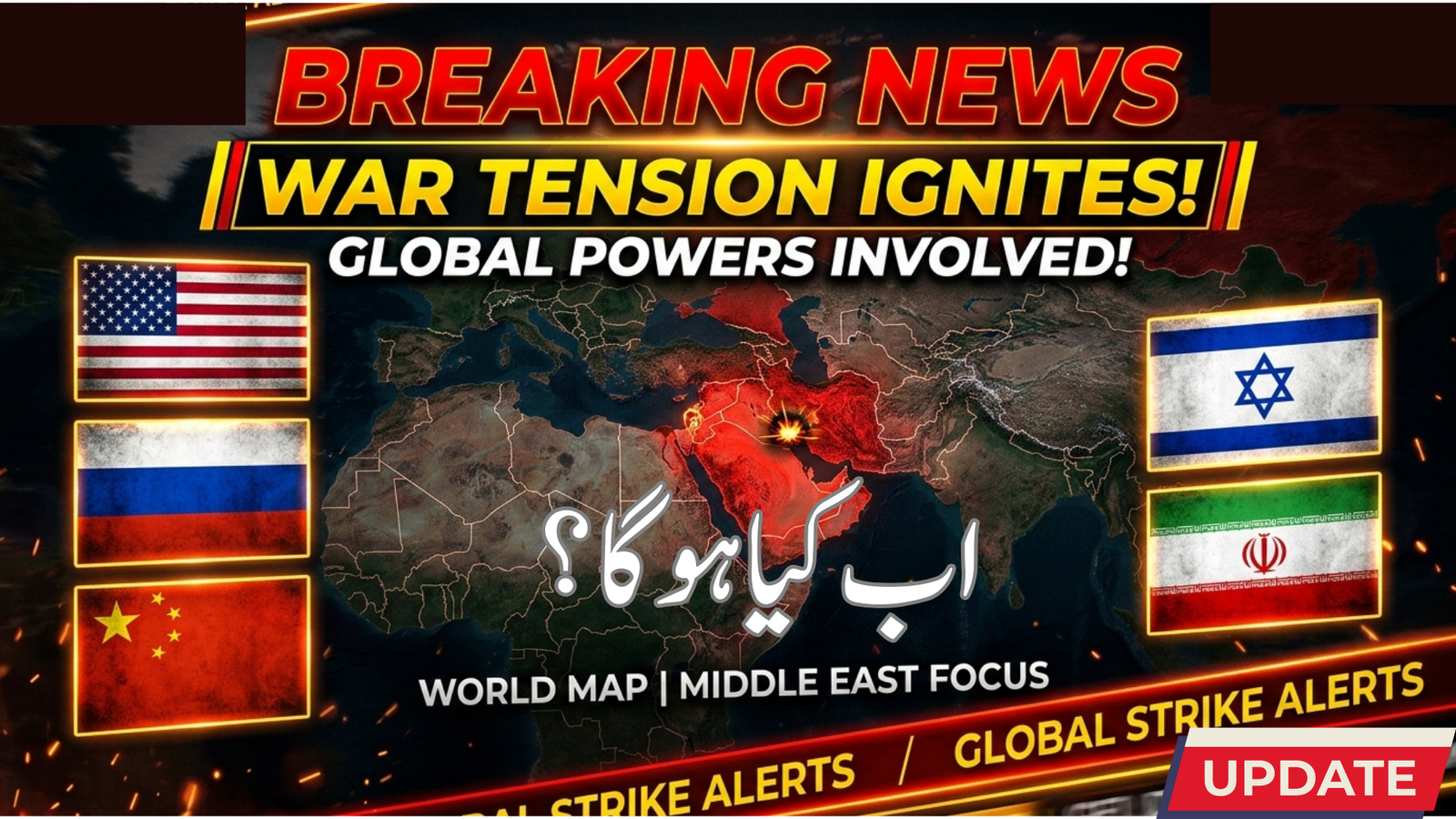
Russia & China Condemn U.S.–Israeli Attacks on Iran – Global Tensions Escalate
The recent military strikes carried out by the United States and Israel on Iranian-linked targets have drawn sharp international reactions. In a significant diplomatic development, Russia and China have strongly condemned the U.S.–Israeli attacks on Iran, warning that continued escalation could destabilize the entire Middle East region and threaten global security.
Both Moscow and Beijing called for immediate restraint, urging all parties to prioritize dialogue over military confrontation. Their statements reflect growing geopolitical divisions and concerns about a widening regional conflict.
Also Read:
BISP 8171 Social Protection Wallet 2026 – Check Eligibility & Digital Payment Online
Objectives Behind Russia & China’s Response
The key goals behind the diplomatic condemnation include:
Promoting immediate de-escalation of military tensions
Preventing expansion of war in the Middle East
Protecting global economic stability
Supporting diplomatic and political negotiations
Reinforcing international law and UN-based resolutions
Russia and China emphasized that conflict resolution must be achieved through peaceful talks rather than force.
Details of the Diplomatic Reaction
Following reports of coordinated U.S.–Israeli strikes on Iranian positions, both countries issued official responses:
✅ Russia described the attacks as “irresponsible actions” that risk worsening regional instability.
✅ China urged all sides to “exercise maximum restraint.”
✅ Both nations called for emergency diplomatic consultations.
✅ Concerns were raised about civilian safety and humanitarian risks.
✅ Officials warned that further escalation could impact global energy markets.
The statements signal strong opposition to unilateral military action without broad international consensus.


Reuters

Reuters
Global Political Impact
The condemnation from Russia and China highlights a deepening divide in global geopolitics. Key developments include:
Increased diplomatic tension between major world powers
Emergency discussions at international forums
Rising oil prices due to conflict uncertainty
Concerns over global trade disruptions
Potential sanctions or countermeasures
Analysts suggest the situation could reshape international alliances depending on how the crisis unfolds.
Regional Security Concerns
Middle Eastern countries are closely monitoring the situation. Key risks include:
Expansion of conflict beyond current zones
Proxy involvement by regional actors
Civilian displacement and humanitarian crisis
Cyber or economic retaliation
Disruption of shipping routes and oil supply chains
Security experts warn that miscalculations could trigger a broader confrontation.
Economic & Energy Market Effects
The geopolitical tensions have already affected global markets:
Oil prices showed volatility amid supply concerns
Stock markets reacted cautiously
Investors shifted toward safe-haven assets
Shipping insurance premiums increased
Energy-dependent economies are particularly sensitive to instability in the Gulf region.
Diplomatic Path Forward
Russia and China both stressed the importance of:
United Nations involvement
Immediate ceasefire discussions
Backchannel diplomatic communication
Avoiding attacks on civilian infrastructure
Long-term regional security frameworks
International observers believe diplomatic efforts in the coming days will determine whether tensions cool or escalate further.
Follow for Updates
Daily scheme updates ke liye follow karein:
👉 WhatsApp Channel:
https://whatsapp.com/channel/0029Vb7MYua0gcfLWzto2T01
👉 Facebook Post/Page:
https://www.facebook.com/share/1Aaye4dKkC/
Frequently Asked Questions (FAQs)
1. Why did Russia and China condemn the attacks?
They believe the strikes risk escalating regional conflict and undermining diplomatic solutions.
2. What was the U.S.–Israeli objective?
Officials described the strikes as defensive or strategic actions against perceived threats.
3. Could this lead to a larger war?
Experts warn that continued retaliation could widen the conflict if not controlled.
4. How does this affect global markets?
Oil prices and financial markets have shown volatility due to uncertainty.
5. Is the United Nations involved?
Diplomatic discussions are expected at international forums, including the UN.
6. What happens next?
Global leaders are pushing for restraint and diplomatic engagement to prevent escalation.
Conclusion
The condemnation by Russia and China marks a significant moment in the evolving geopolitical landscape. Their unified stance underscores mounting global concern over rising tensions between the United States, Israel, and Iran.
As diplomatic pressure builds, the international community now faces a critical test: whether dialogue can prevail over confrontation. The coming days will be crucial in determining the direction of global stability.