
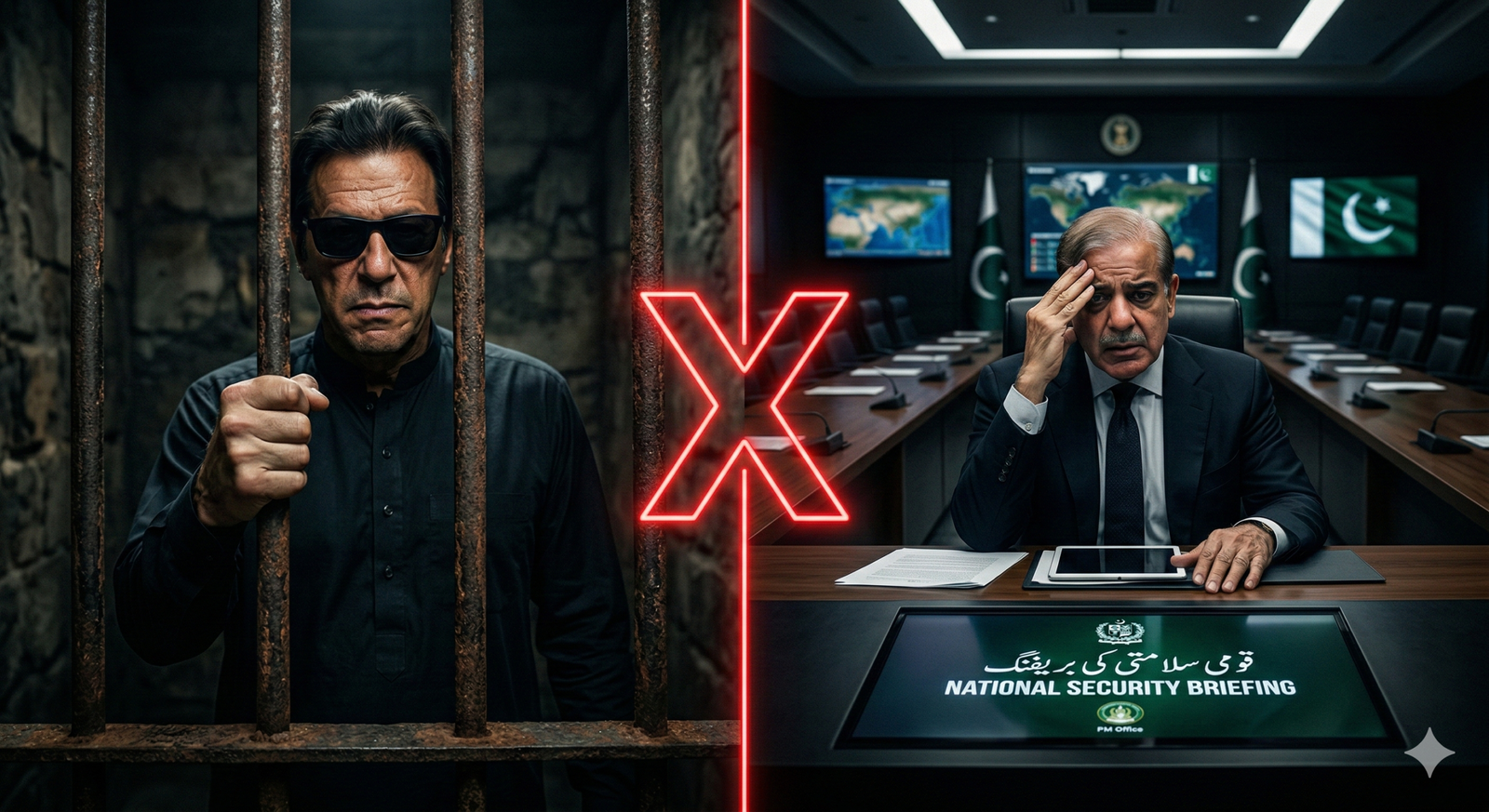
PTI boycotts national security briefing Amid Regional Escalation, Demands Meeting with Imran Khan
ISLAMABAD — In a significant political development, the Pakistan Tehreek-e-Insaf (PTI) officially boycotted a crucial in-camera national security briefing convened by the federal government today. The high-level huddle, chaired by Prime Minister Shehbaz Sharif, was organized to take parliamentary leaders into confidence regarding the severe external and internal security threats facing Pakistan. However, PTI leadership opted out, making their participation strictly conditional upon an arranged meeting with the party’s incarcerated founder, Imran Khan.
The closed-door briefing comes at a highly volatile time for Pakistan and the broader region. The military and political leadership intended to discuss the rapidly deteriorating regional security matrix, heavily influenced by the escalating fallout from the United States and Israel’s recent strikes on Iran. Furthermore, the meeting aimed to address the alarming cross-border clashes with Afghanistan, which defense officials have characterized as a highly combustible standoff. Given these compounding crises, the government stressed the urgent need for a unified national narrative, urging all political stakeholders to set aside partisan differences to formulate a cohesive state response.
Also Reads:
Middle East Tensions 2026: US & Israel Strikes on Iran | Charlie Kirk Trending in US Search
Despite the immense gravity of the agenda, the PTI maintained its firm stance against attending the session. Party representatives argued that any consensus on national security remains incomplete and practically illegitimate without the input of Imran Khan, whose party holds a massive public mandate. By making their attendance contingent on a meeting with Khan, the PTI is actively leveraging the government’s desperate need for political unity to push for access to their leader. PTI insiders suggest that excluding their central decision-maker from the consultation process renders the exercise futile, as the party cannot commit to a unified national security strategy without his direct approval.
The government was quick to criticize the boycott. Prime Minister’s political adviser Rana Sanaullah and Law Minister Azam Nazeer Tarar reiterated that the invitation was strictly in the national interest, dealing with matters far too critical for everyday political maneuvering.
Meanwhile, the briefing faced further structural challenges from other opposition factions. Mahmood Khan Achakzai, the Opposition Leader in the National Assembly, demanded that the Prime Minister extend the briefing to the entire Parliament rather than a select group of parliamentary heads. Achakzai warned that “selective information-sharing” is totally inadequate given the dire regional situation, calling for complete transparency in a joint parliamentary session to properly address the monumental challenges threatening Pakistan’s sovereignty.
Ultimately, the PTI’s absence from this pivotal security dialogue highlights the deep and enduring polarization within Pakistan’s political landscape. As the state grapples with unprecedented regional instability and direct threats to its borders, the lack of a unified political front severely complicates Islamabad’s ability to project strength, stability, and deterrence on the international stage.
Follow for Updates
Daily scheme updates ke liye follow karein:
👉 WhatsApp Channel:
https://whatsapp.com/channel/0029Vb7MYua0gcfLWzto2T01👉 Facebook Post/Page:
https://www.facebook.com/share/1Aaye4dKkC/
Professional Reference Link
For further reading on the opposition’s reaction and parliamentary demands regarding today’s security briefing, you can read the full report here:
Frequently Asked Questions (FAQs)
Q1: Why did the government call for an in-camera security briefing today? A: The government convened the briefing to discuss pressing national security threats with parliamentary leaders. The primary focus was on the escalating regional conflict involving the US, Israel, and Iran, as well as the ongoing, intense border clashes between Pakistan and Afghanistan.
Q2: What is PTI’s exact demand for ending their boycott? A: The Pakistan Tehreek-e-Insaf (PTI) has categorically stated that they will not participate in government-led national security briefings unless the government arranges a formal meeting between the party’s leadership and its founder, Imran Khan.
Q3: What does “in-camera” mean in the context of this briefing? A: An “in-camera” briefing is a private, closed-door session where sensitive or classified information is shared. Press and public access are strictly restricted to ensure that matters of national security can be discussed openly among state and political leaders without the risk of public leaks.PTI Boycotts National Security Briefing Over Imran Khan Meeting